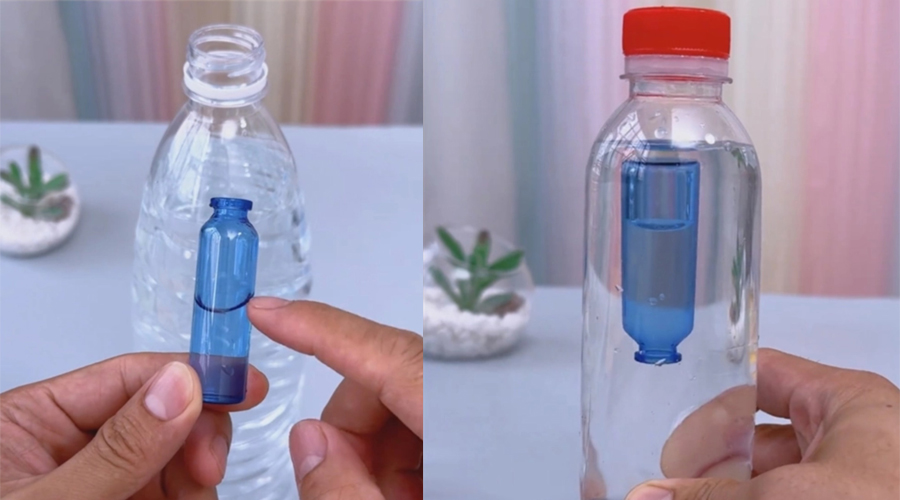
Science mini-experiments have multiple benefits for children; these activities not only stimulate their interest and curiosity in science, but also contribute to their overall development. Here are some of the main benefits of science experiments for kids:
1.Stimulate curiosity and desire to explore: science experiments are often full of fun and unknowns, which can greatly stimulate children's curiosity, prompting them to take the initiative to ask questions and look for answers, thus fostering a desire to explore science.
2.Cultivate observation and attention: When conducting experiments, children need to carefully observe the experimental phenomena and pay attention to every detail of the changes in the experimental process. This kind of training helps to improve their observation and attention, and make them more keenly perceive the world around them.
3.Enhance the hands-on ability and practical ability: science experiments often require children to operate by hand, which can not only exercise their fine motor skills, but also develop their practical ability and problem-solving skills. Through practical operation, children can understand scientific principles more intuitively.
4.Promote thinking development: Science experiments often involve logical reasoning, hypothesis verification and other thinking processes. Children need to keep thinking, analyzing and judging during the experiments, which helps promote the development of their logical, critical and creative thinking.
5.Cultivating scientific attitude and scientific spirit: Through small scientific experiments, children can learn the scientific attitude of respecting facts and evidence, as well as the scientific spirit of being brave to explore and dare to question. These qualities will have a far-reaching impact on their future learning and life.
6.Broaden knowledge: Science experiments cover knowledge in physics, chemistry, biology and other subject areas. By participating in these experiments, children can be exposed to a wider range of knowledge content and broaden their knowledge and horizons.
7.Enhance self-confidence and sense of accomplishment: When children succeed in small science experiments or discover new phenomena, they will feel immensely proud and satisfied. This positive emotional experience helps to enhance their self-confidence and sense of achievement, and motivates them to participate more actively in scientific exploration activities.
Little science experiment: how to control the sinking and floating of a glass bottle with a plastic bottle?
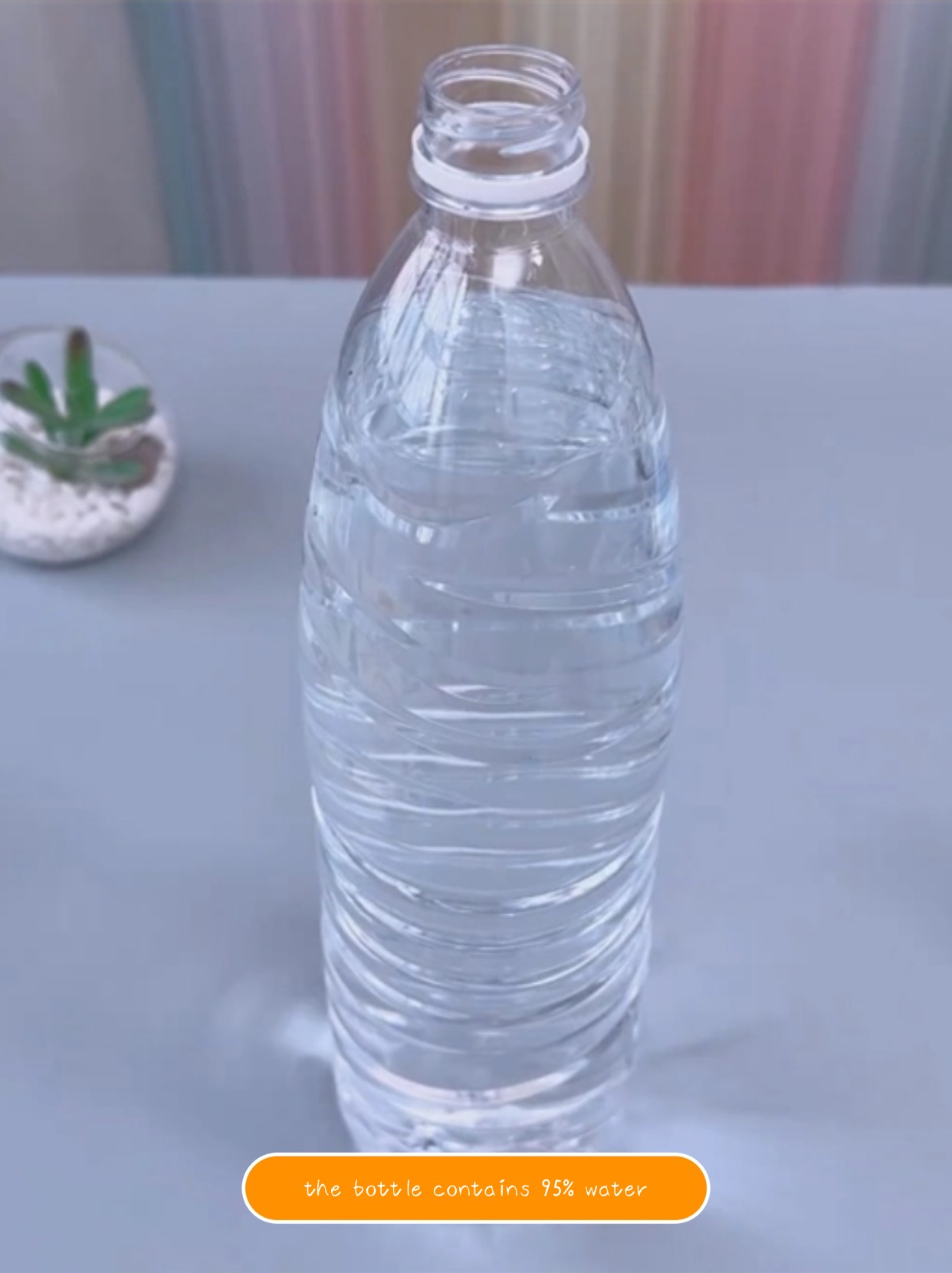
Step1: Prepare an empty plastic water bottle with about 95% water and get ready for the next step.
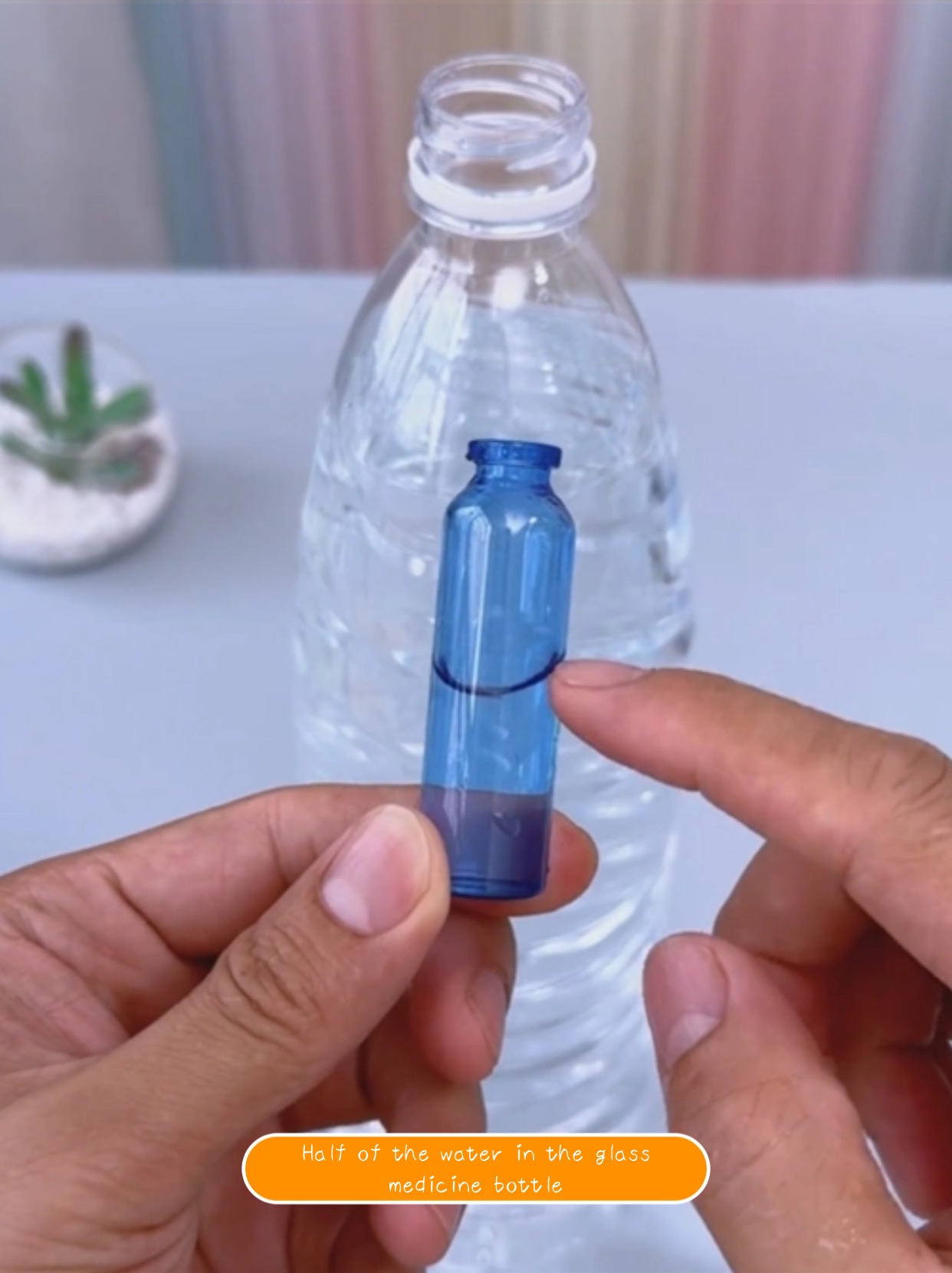
Step2: Prepare a small empty glass medicine bottle and fill it half full with water.
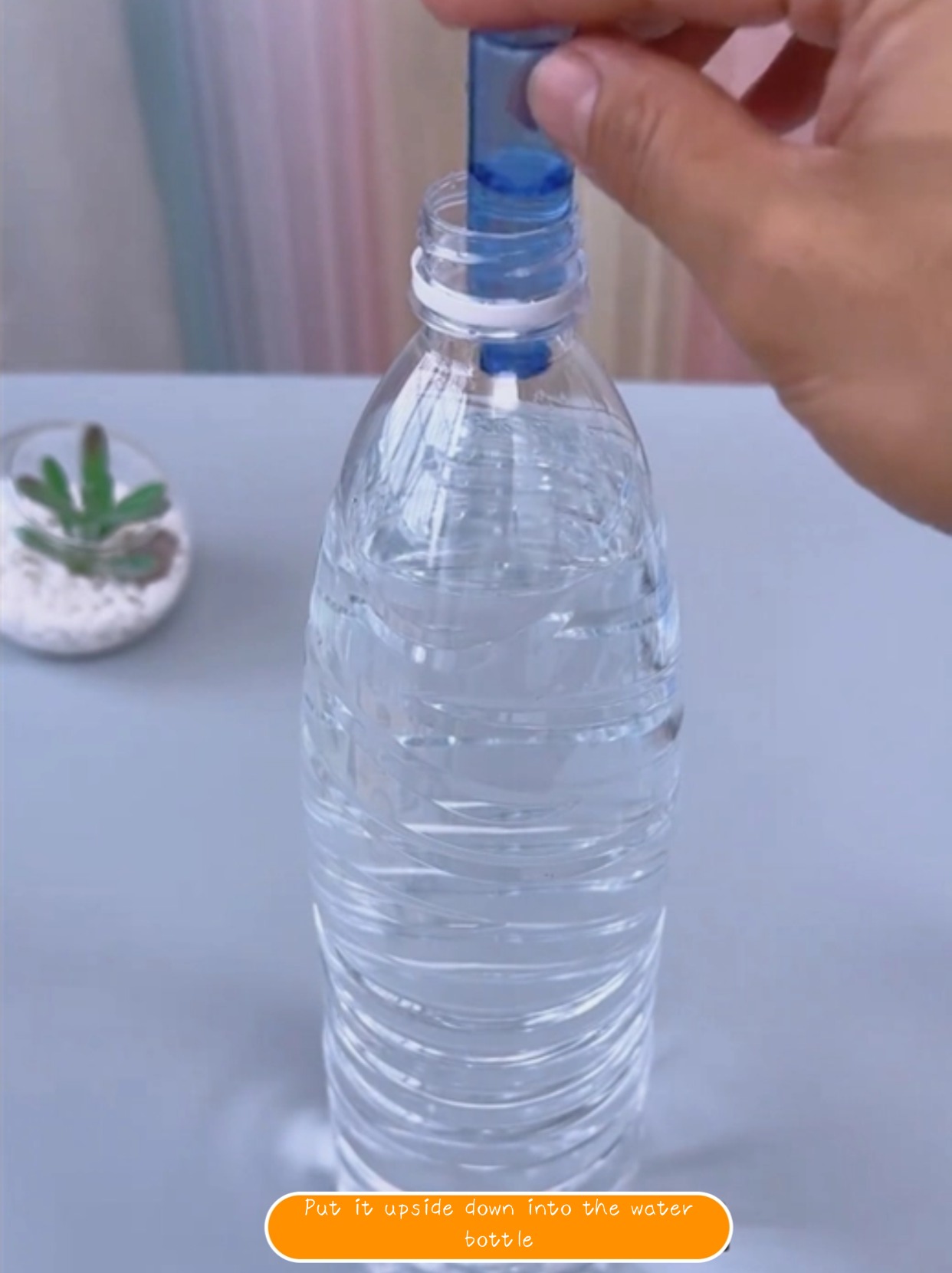
Step3: Turn the small glass medicine bottle with water upside down and place it into a large plastic water bottle.
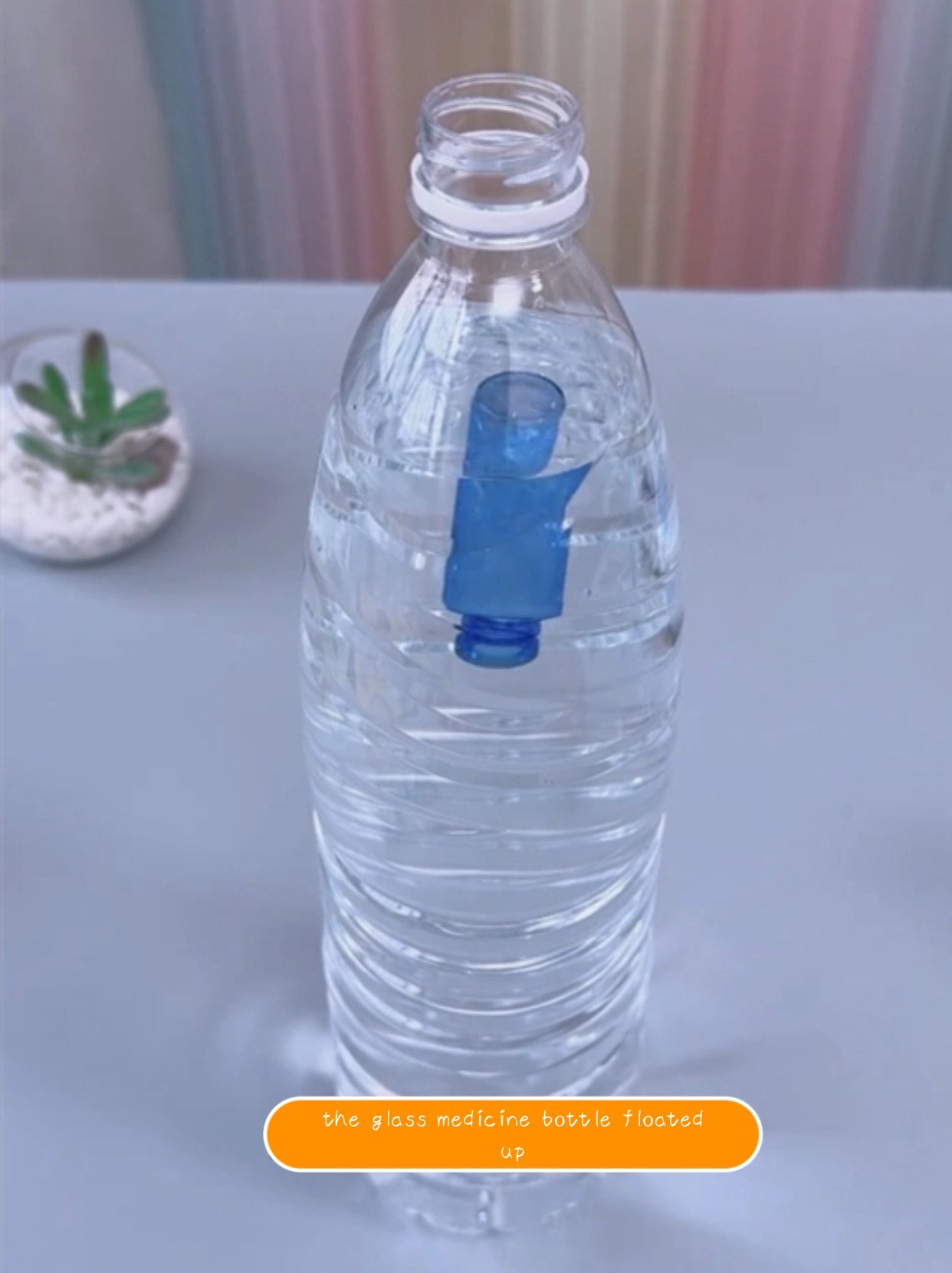
Step4: We'll see the glass bottle sink inside the plastic bottle and then quickly come back up.
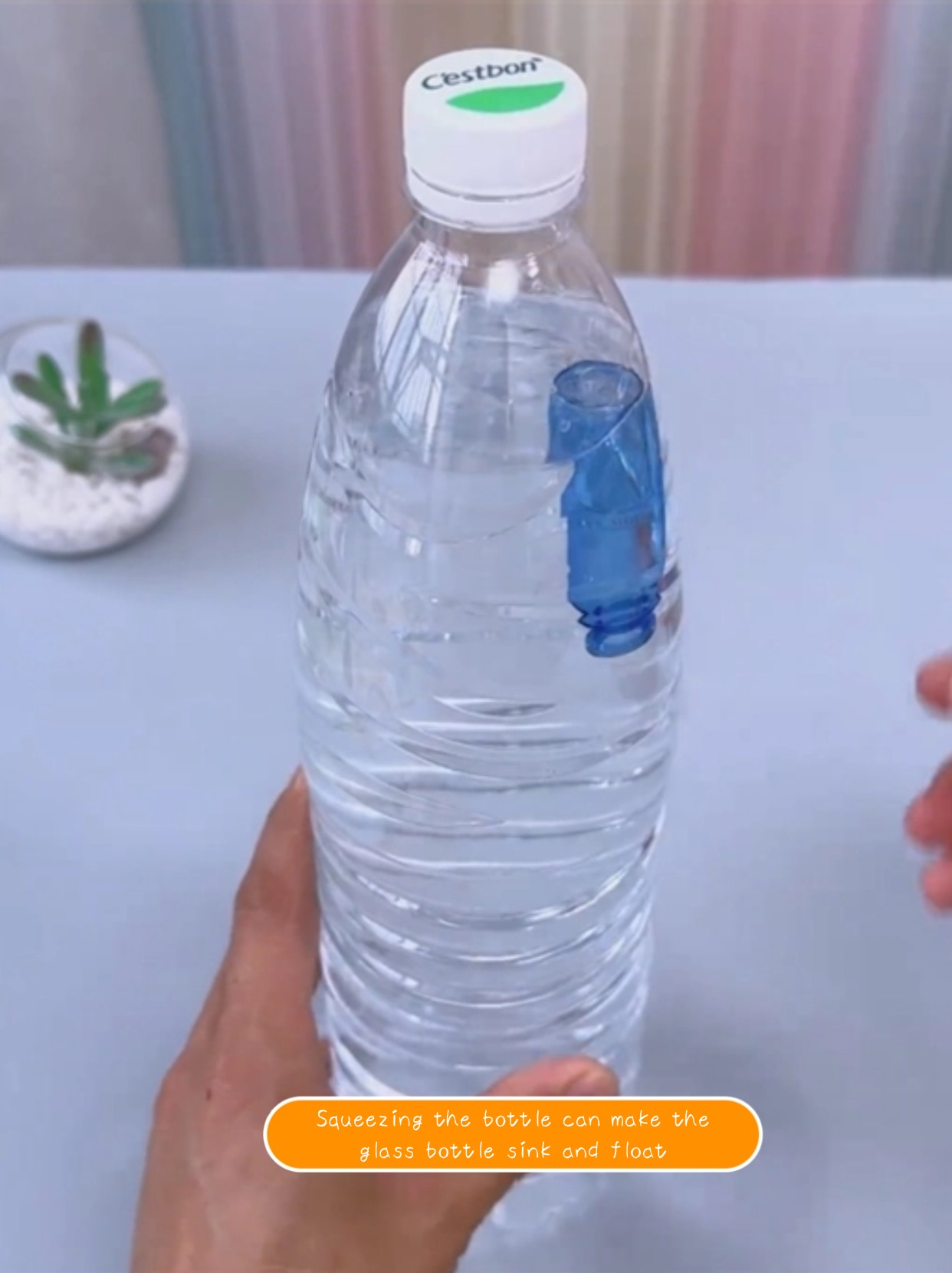
Step5: Then we put the cap on the plastic bottle and squeezed the plastic bottle, we could see the glass bottle sinking and then floating up quickly when we let go.
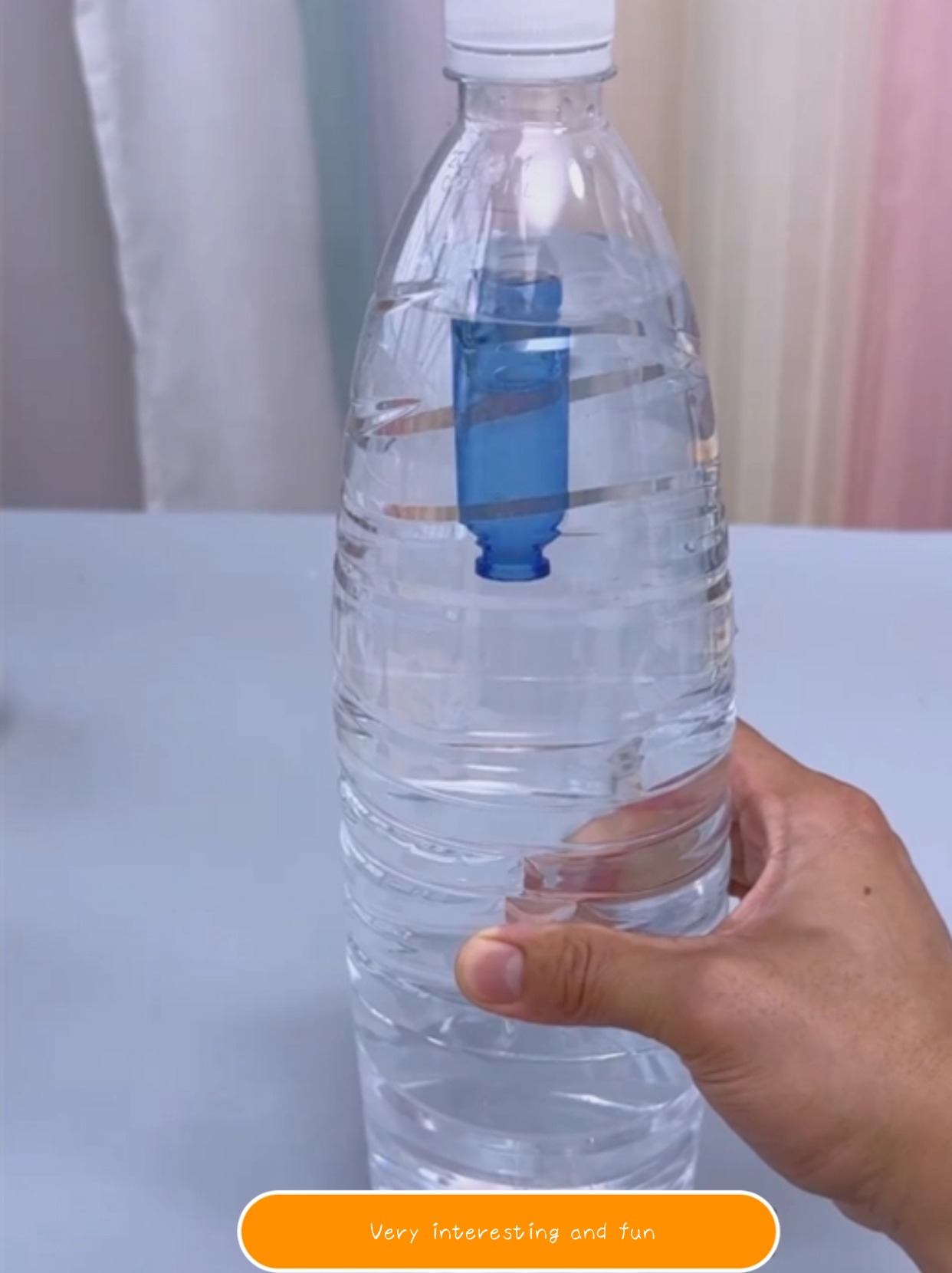
Step6: By repeatedly squeezing and releasing the plastic bottle in this way, we can see the very interesting phenomenon that the glass bottle sinks and floats repeatedly inside the water.
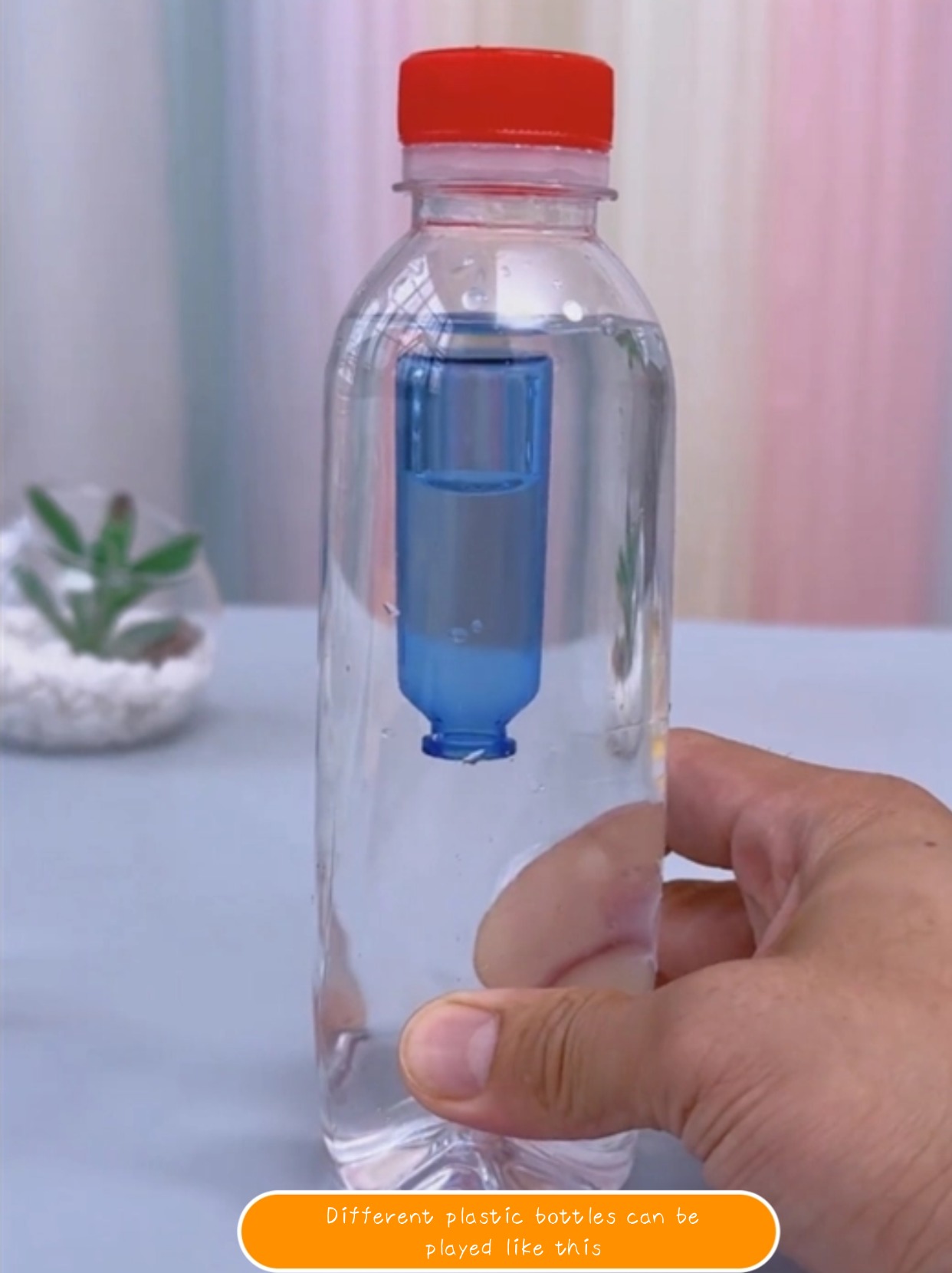
Step7: Of course, we can also use different plastic bottles, can also do so interesting little experimental effect, the children are very interested in this object.
Why do kids love this fun little experiment?
1.Driven by curiosity: children are naturally curious about the world around them, and they are eager to understand the nature and principles of things. Science experiments show scientific phenomena in an intuitive and vivid way, which satisfies children's curiosity and gives them the opportunity to unravel the mysteries of the natural world with their own hands.
2.Hands-on fun: Compared with book knowledge, small experiments provide more hands-on opportunities. Children can personally participate in the experimental process, feel the changes and reactions of the experimental materials, and this kind of personal experience brings fun that books can not replace.
3.Immediate feedback and sense of accomplishment: In small experiments, children can immediately see the results or phenomena of the experiment, and this immediate feedback makes them feel excited and satisfied. When the experiment is successful, they feel empowered to explore and discover new knowledge, and this sense of accomplishment will motivate them to continue to participate in more science activities.
